
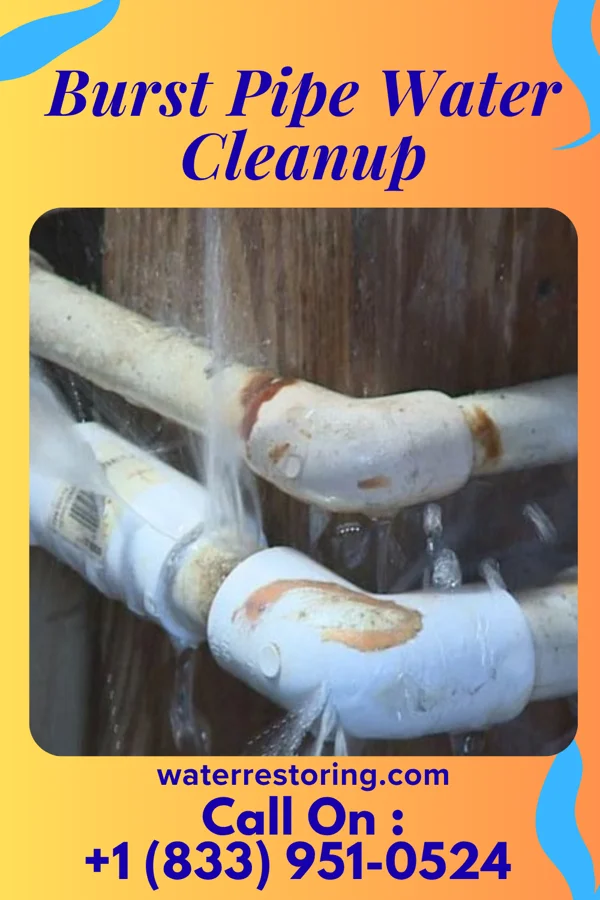
Why Burst Pipes Hit North Tonawanda Hard
The pattern in North Tonawanda is consistent. North Tonawanda's older infrastructure, including aging water mains and residential plumbing systems, increases the risk of burst pipes, especially during colder months. The proximity to industrial areas and the presence of underground utility lines can also contribute to unexpected pipe failures. drives most of the emergency restoration calls we get. A close second is The city's suburban layout and reliance on private wells in some neighborhoods can lead to inconsistent water pressure, which may cause stress on pipes. Additionally, the presence of the University at Buffalo nearby means higher water usage during peak hours, increasing strain on local water systems..
The region's cold climate and seasonal temperature shifts create a challenging environment for water pipes. Residents should be vigilant about insulating pipes and maintaining proper drainage to prevent burst pipe incidents.
The region's cold climate and seasonal temperature shifts create a challenging environment for water pipes. Residents should be vigilant about insulating pipes and maintaining proper drainage to prevent burst pipe incidents. The dominant local driver is North Tonawanda's older infrastructure, including aging water mains and residential plumbing systems, increases the risk of burst pipes, especially during colder months. The proximity to industrial areas and the presence of underground utility lines can also contribute to unexpected pipe failures., with The city's suburban layout and reliance on private wells in some neighborhoods can lead to inconsistent water pressure, which may cause stress on pipes. Additionally, the presence of the University at Buffalo nearby means higher water usage during peak hours, increasing strain on local water systems. showing up as the next most common cause. Damage builds in stages. Spread. Absorption. Microbial growth. Structural compromise. Every stage you pass through adds to the final bill.
For public guidance on the health effects of mold after prolonged water exposure, see the EPA mold and health page.